


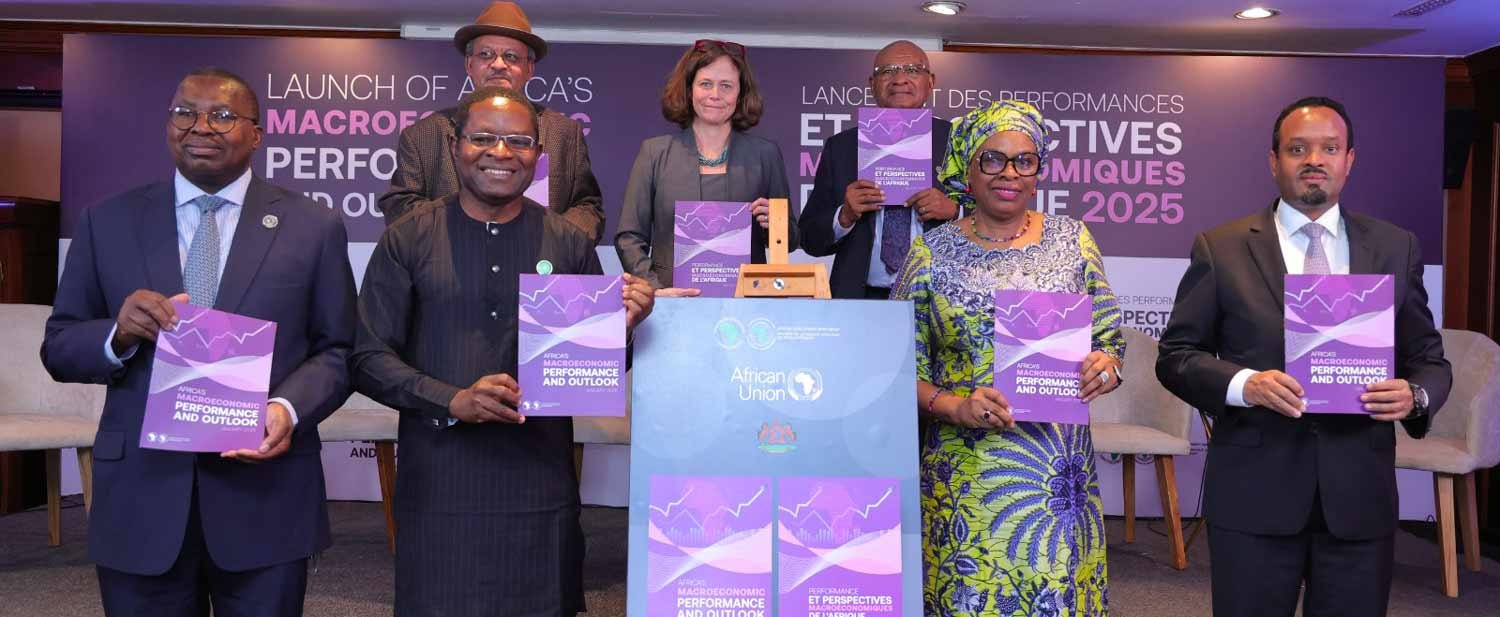
Africa\'s economic outlook is showing signs of resilience and gradual recovery, according to the latest report from the African Development Bank (AfDB). The continent’s average real GDP growth reached 3.2% in 2024, reflecting a steady rebound from recent global disruptions, including the COVID-19 pandemic, climate shocks, and geopolitical tensions. Looking ahead, the AfDB projects that economic growth could accelerate to 4% over the near term, driven by ongoing reforms, increased investment, and the expansion of key sectors such as agriculture, energy, and digital technology.
This positive trajectory, however, is not without its complications. Inflation remains a pressing concern across many African nations, driven by persistent food and energy price volatility, currency depreciation, and the lingering impacts of supply chain disruptions. While some countries have seen inflation rates stabilize or decline slightly, others continue to grapple with double-digit inflation, eroding household purchasing power and heightening poverty risks.
In addition, the continent is facing mounting debt distress, with several African nations classified as either at high risk or already in debt distress. This has raised concerns over fiscal sustainability and limited the ability of governments to invest in critical development sectors such as health, education, and infrastructure. The AfDB and international partners have called for coordinated efforts to restructure unsustainable debt and enhance domestic revenue mobilization.
Despite these headwinds, pockets of robust growth are emerging. Countries with diversified economies, stable macroeconomic policies, and strong governance structures—such as Rwanda, Côte d\'Ivoire, Kenya, and Senegal—are outpacing the continental average. These nations are attracting foreign direct investment and are at the forefront of Africa’s push for green energy, digital innovation, and regional trade integration through initiatives like the African Continental Free Trade Area (AfCFTA).
The AfDB emphasizes that sustaining Africa’s growth momentum will require comprehensive policy reforms, stronger institutions, and strategic investments in infrastructure and human capital. If managed well, Africa could harness its demographic dividend and natural resources to become a key player in the global economy in the years to come.
Suhuyini
Okay
Marena25
Okay
Keydonn
Nice