


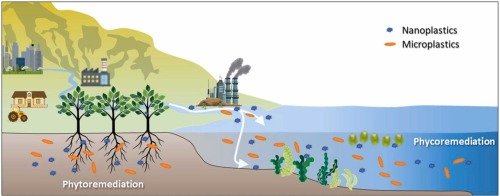
A new study published on March 8, 2025, has found that microplastic pollution significantly hinders the photosynthesis process in plants and algae, which are essential to the Earth’s ecosystems. The research, conducted by environmental scientists, reveals that tiny particles of plastic, commonly found in oceans, rivers, and soils, disrupt the natural process through which plants convert sunlight into energy.
The study shows that when plants and algae come into contact with microplastics—microscopic plastic particles smaller than five millimeters—photosynthetic activity is reduced. These particles, which have been accumulating in natural environments for decades, cling to the surfaces of plant leaves and algae, blocking the absorption of sunlight and impairing the efficiency of photosynthesis. This reduction in photosynthesis leads to less oxygen production and decreased carbon dioxide absorption, affecting the overall health of plants and algae.
Since plants and algae are key contributors to global oxygen production and the regulation of carbon dioxide levels, their compromised ability to photosynthesize has serious implications for climate change and global biodiversity. Algae, in particular, are responsible for producing a significant portion of the Earth\'s oxygen supply. The disruption of their photosynthetic process could contribute to increased greenhouse gas levels, further exacerbating the climate crisis.
In addition to its effects on climate regulation, the study raises concerns about the broader ecological consequences of microplastic pollution. As microplastics accumulate in ecosystems, they can also harm other forms of life, including fish, insects, and animals that rely on plants and algae for food. The research underscores the interconnectedness of all species and the vulnerability of ecosystems to pollution.
Experts are urging immediate action to reduce microplastic pollution by tightening regulations on plastic use, improving waste management systems, and promoting more sustainable materials to mitigate the environmental damage caused by these persistent pollutants.
hossman
hmm our environment
Happy
Very dangerous for the environment
KHANDY
Awww
Marena25
Hello
Walker
Nice
Suhuyini
Okay
Polina
Okay