


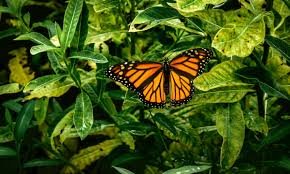
A study published on March 6, 2025, has revealed alarming data showing that butterfly populations in the United States have declined by 22% between the years 2000 and 2020. The research, conducted by leading environmental scientists and ecologists, highlights a troubling trend where the majority of butterfly species are facing significant population decreases, with 13 times as many species decreasing in number as those experiencing increases.
Butterflies, often seen as indicators of overall ecosystem health, are essential pollinators for a variety of plants, including many agricultural crops. The study’s findings suggest that a decline in butterfly populations may be a signal of broader environmental changes that could impact other species and the functioning of ecosystems at large. The report also underscores the vital role that these insects play in maintaining biodiversity and the intricate balance of natural systems.
The primary drivers behind this decline are linked to habitat loss, climate change, and pesticide use. Urbanization, agricultural expansion, and deforestation have all contributed to the destruction of key habitats where butterflies thrive, while changing weather patterns affect the availability of nectar plants and disrupt migration patterns. Pesticides, particularly those targeting insects, have been found to have harmful effects on butterfly populations, further exacerbating the problem.
The study found that certain regions, particularly areas with intensive agricultural practices, have seen the steepest declines in butterfly numbers, with some species now classified as endangered. Experts are now calling for more sustainable land-use practices, greater conservation efforts, and stricter regulations on pesticide use to protect these critical pollinators.
As butterfly populations continue to dwindle, scientists warn that the loss of these vibrant insects could have far-reaching consequences for broader biodiversity and ecosystem health. Efforts to reverse this decline will require concerted action across both public policy and individual conservation initiatives.
Walker
Noce
hossman
Ok
Happy
Ok
KHANDY
Ok
Marena25
Alright
Suhuyini
Okay