


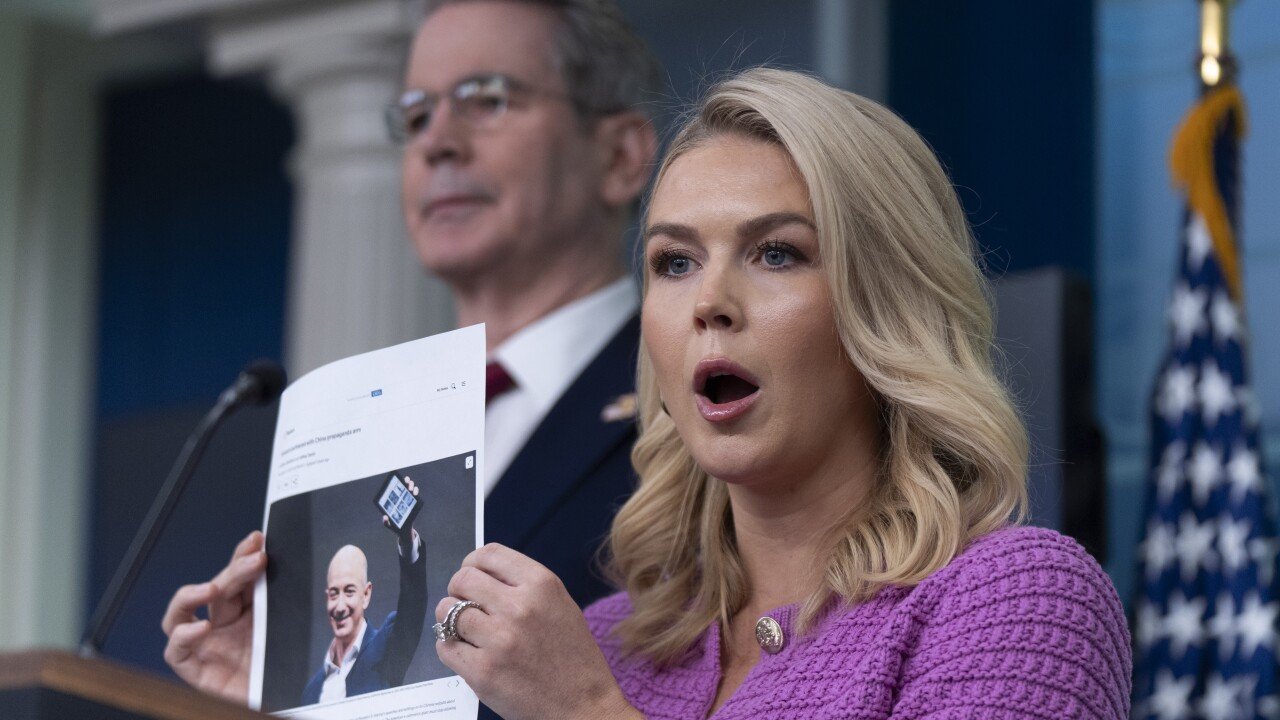
Amazon has publicly denied recent reports suggesting it planned to display U.S. tariff costs directly on product listings on its main retail platform. The clarification came after mounting criticism from the White House, which accused the e-commerce giant of politicizing trade issues and potentially stoking public concern amid rising economic tensions.
According to company representatives, while the idea of displaying tariff breakdowns was internally discussed as part of broader transparency efforts, no such plans were finalized or implemented. “Amazon regularly evaluates ways to provide customers with more information, but the inclusion of tariff-specific costs on product pages is not a feature we are moving forward with,” a spokesperson stated.
The controversy emerged during a sensitive period in U.S. economic policy. Ongoing trade disputes, particularly with China and the European Union, have led to the imposition of new import tariffs on a wide range of goods. These measures, intended to protect American industries and address trade imbalances, have contributed to a widening trade deficit and created new supply chain uncertainties for multinational corporations.
Economists warn that tariff-related costs are often passed on to consumers through higher prices, a concern that could become more visible if companies begin itemizing such costs. Amazon’s alleged plan raised fears that it might amplify public criticism of current trade policies, particularly in the run-up to the 2026 midterm elections.
White House officials accused Amazon of attempting to influence public sentiment and policy through its platform. “This is not about transparency—it’s about manipulation,” said one senior economic advisor. However, the administration stopped short of proposing regulatory measures against the company.
Meanwhile, analysts note that companies across various sectors are grappling with the financial impact of protectionist policies. Major retailers, tech firms, and manufacturers have adjusted their earnings forecasts downward in light of increased costs and uncertain trade dynamics.
As trade tensions continue to shape the global economic landscape, Amazon\'s denial highlights the delicate balance that large corporations must maintain between transparency, public relations, and navigating politically charged issues.
Walker
Good
hossman
nice
Happy
Good
KHANDY
Great
Marena25
Good
Suhuyini
Okay