


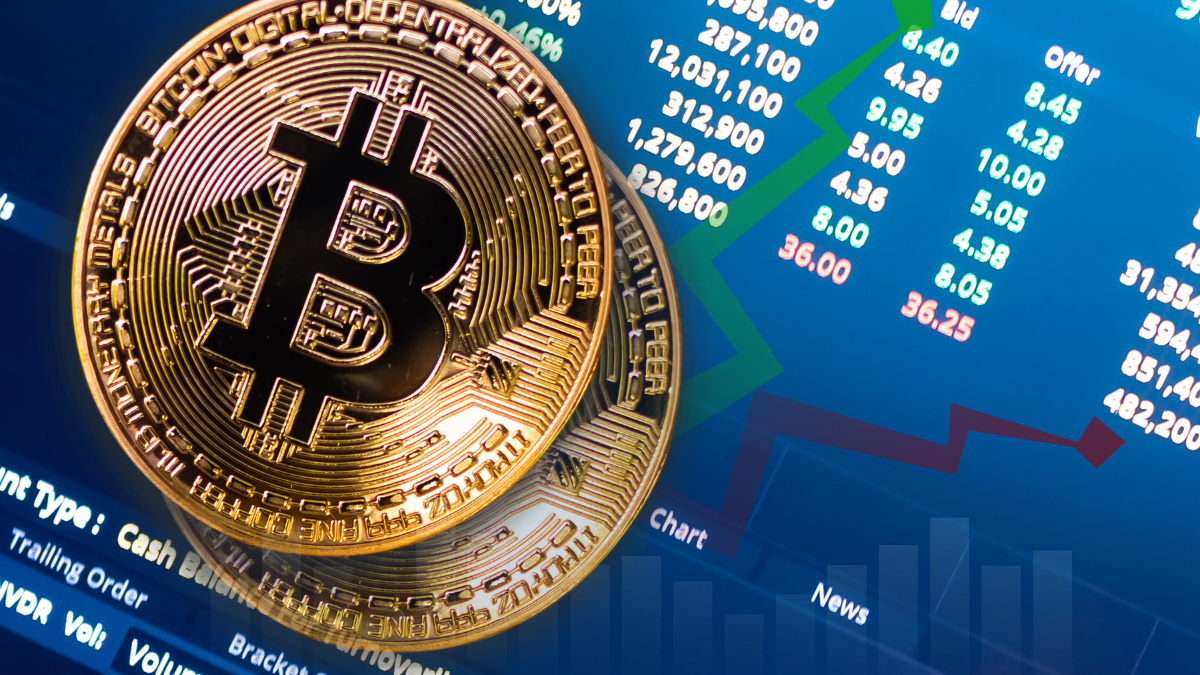
Bitcoin has shattered previous records, soaring past $80,000 in an unprecedented rally largely driven by institutional adoption and favorable policy signals. The launch of Bitcoin exchange-traded funds (ETFs) in early 2025 spurred significant investment from traditional financial institutions, including major banks, pension funds, and insurance companies.
Experts suggest that the digital asset\'s status is rapidly shifting from speculative to mainstream. Companies like BlackRock and Goldman Sachs have added Bitcoin to their portfolios, further legitimizing its role as a long-term store of value. Additionally, regulatory clarity from major economies has boosted investor confidence, minimizing fears of sudden crackdowns.
Analysts note that the bullish momentum is also fueled by rising interest in decentralized finance (DeFi) and blockchain applications. Bitcoin is increasingly seen as a hedge against inflation and fiat currency devaluation, especially as global debt levels continue to rise.
Retail investors have also joined the frenzy, although financial advisors caution against overexposure to such a volatile asset. Some predict that Bitcoin could reach $100,000 before the end of the year, while others warn of an imminent correction due to overbought market conditions.
Despite its gains, Bitcoin remains controversial. Environmental concerns over its energy use persist, although newer mining operations are transitioning to renewable sources. Governments continue to debate frameworks for taxation, regulation, and oversight.
Regardless of short-term fluctuations, Bitcoin\'s rise above $80,000 marks a pivotal moment in financial history, reinforcing the role of cryptocurrency in the evolving global economy.
Fausta
Ooh
Polina
Oops
hossman
Ok
Suhuyini
Okay
Marena25
Good