


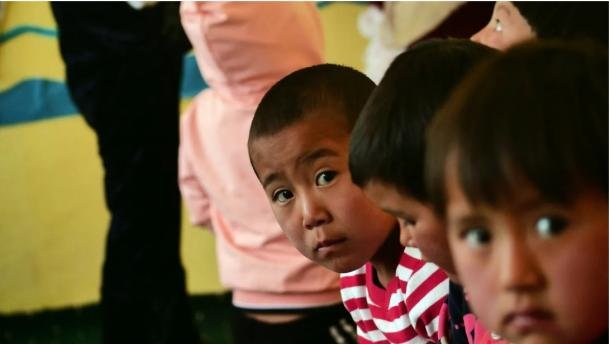
In a bold move to bridge the global education divide, the United Nations has launched a $5 billion Global Literacy Fund. The initiative, led by UNESCO, aims to dramatically improve literacy rates among children, youth, and adults in more than 30 low-income and developing countries. The fund will prioritize digital learning platforms, curriculum modernization, infrastructure development, and teacher training programs.
According to recent data, more than 770 million adults worldwide still lack basic reading and writing skills, and over 250 million children are not meeting minimum literacy standards. The COVID-19 pandemic exacerbated the crisis, particularly in remote or marginalized communities where internet access and educational resources were already scarce.
The Literacy Fund is expected to work in partnership with major tech companies, educational institutions, and philanthropic organizations. Google, Microsoft, and Pearson have already pledged resources, including software, digital tools, and open-access content.
The program includes goals such as doubling literacy rates among out-of-school girls in Sub-Saharan Africa by 2030, and reducing the adult illiteracy rate in Southeast Asia by 50%. Experts say such targets, while ambitious, are achievable with sustained political will and multi-sector collaboration.
Critics, however, stress that funding alone is not enough. They call for systemic changes in governance, local community engagement, and inclusion of indigenous languages and cultures in the curriculum. Still, the Literacy Fund marks a significant step forward in addressing one of the most pressing and persistent barriers to human development.
Fausta
Ok
hossman
Ok
Suhuyini
Okay