


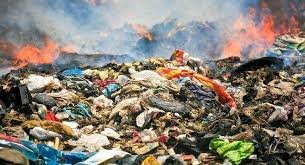
Several major fast fashion brands are facing a storm of criticism after a damning investigative report revealed widespread environmental and labor abuses in their supply chains. The report, compiled over two years, traced garments back to factories that were found to be dumping toxic waste into rivers and subjecting workers to grueling, unsafe conditions.
Factories in countries like Bangladesh, India, and Vietnam were spotlighted for massive chemical discharges, contributing to waterway pollution and endangering both ecosystems and nearby communities. Workers were reportedly forced to endure 14-hour shifts with little pay and minimal safety protections, raising serious ethical concerns.
Environmental activists and labor rights groups have called for urgent reforms and stronger international regulations to hold corporations accountable. Consumers are also being urged to rethink their buying habits and support sustainable fashion alternatives.
In response to the backlash, several companies issued statements pledging to \"review\" their supply chains, though critics point out that such promises have often led to little real change in the past. Experts argue that transparency is key, and are pushing for mandatory public reporting on factory conditions and environmental practices.
Some brands are trying to clean up their act by investing in eco-friendly materials and ethical sourcing programs. However, activists warn that \"greenwashing\"—marketing products as environmentally friendly without substantive action—remains a major problem.
As awareness grows, pressure is mounting on governments to enact laws that would make brands legally responsible for their entire production process, from sourcing raw materials to final sale.
Fausta
Ooh
Polina
Hmm
hossman
Oh