


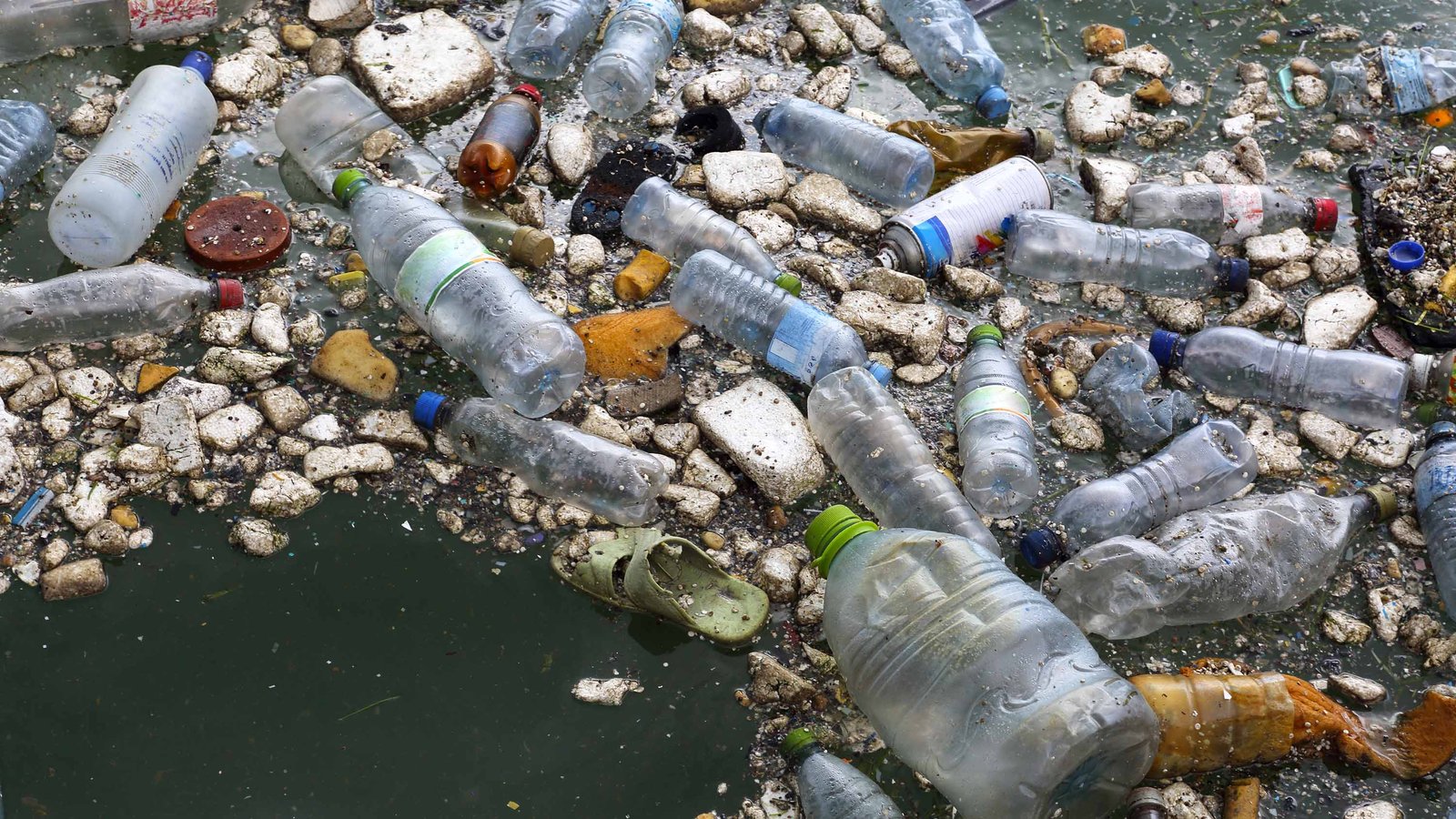
A newly published study has painted a grim picture of the world\'s worsening plastic pollution crisis. Researchers estimate that over 171 trillion pieces of plastic now float across the world’s oceans, a figure far higher than previously believed. This staggering quantity poses escalating threats to marine ecosystems, wildlife, and ultimately, human health.
The study, a collaborative effort among leading environmental organizations and universities, involved two decades\' worth of data collection from every major ocean basin. It found that microplastics—tiny plastic fragments less than five millimeters long—make up a large portion of the debris and are often ingested by fish, seabirds, and marine mammals. As these plastics move up the food chain, they can end up on human plates, raising concerns about toxic exposure.
Environmentalists warn that without immediate and coordinated action, the situation will worsen exponentially. Calls are growing for a binding global treaty to regulate plastic production, ban single-use plastics, and significantly invest in recycling infrastructure. Although many countries have introduced bans on plastic bags and straws, experts argue that piecemeal policies are insufficient given the scale of the problem.
Some innovative solutions are being explored, including biodegradable alternatives and large-scale cleanup projects like ocean skimmers. However, activists stress that without drastically reducing the flow of new plastic into the environment, cleanup efforts will only be temporary fixes.
This alarming report has intensified pressure on world leaders ahead of upcoming global environmental summits, where binding commitments to combat plastic pollution will be high on the agenda.
Fausta
Saw
Polina
Okay
hossman
Ok