


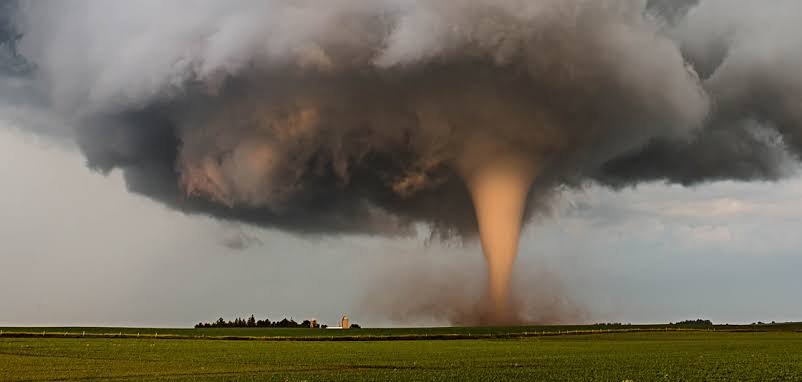
April 2025 was marked by a series of destructive tornadoes across both the United States and parts of Europe, highlighting a troubling rise in extreme weather events globally. In the United States, between April 2 and 7, a slow-moving weather system triggered an unprecedented outbreak of 153 tornadoes across several Southern and Midwestern states. States such as Oklahoma, Arkansas, Missouri, and Illinois experienced severe destruction, with communities reporting flattened homes, overturned vehicles, and widespread power outages. The tornadoes were accompanied by historic levels of flash flooding, which inundated farmlands and urban areas alike, prompting mass evacuations and federal disaster declarations.
In Europe, similarly alarming events occurred. On April 1 and 2, severe storms swept through parts of Greece and Turkey, bringing with them strong winds, torrential rains, and rare but violent tornadoes. The Greek island of Rhodes and the Turkish coastal town of Bostanl? suffered substantial damage, with uprooted trees, collapsed roofs, and disrupted transport systems. Meanwhile, Spain faced its own tornado emergency on April 4 when violent twisters struck the Huelva province. The storm caused multiple fatalities, displaced families, and left a trail of destruction in its wake.
Meteorologists and climate experts are increasingly concerned about the growing frequency and intensity of such extreme weather phenomena. Tornadoes are becoming more common in regions where they were previously rare, and their strength appears to be intensifying. These developments are being closely linked to climate change, which is believed to be altering atmospheric conditions and contributing to more volatile weather systems.
The global pattern observed in April underscores the urgent need for enhanced disaster preparedness, investment in resilient infrastructure, and stronger international collaboration to mitigate the risks of climate-induced natural disasters. As weather extremes become more common, communities must adapt swiftly to ensure safety and resilience in the face of growing environmental threats.
Fausta
Ooh
Keydonn
So sadd
Suhuyini
Okay
Erry123
Hmmm
Polina
Ooh hmm
Adungchaab
So sorry