


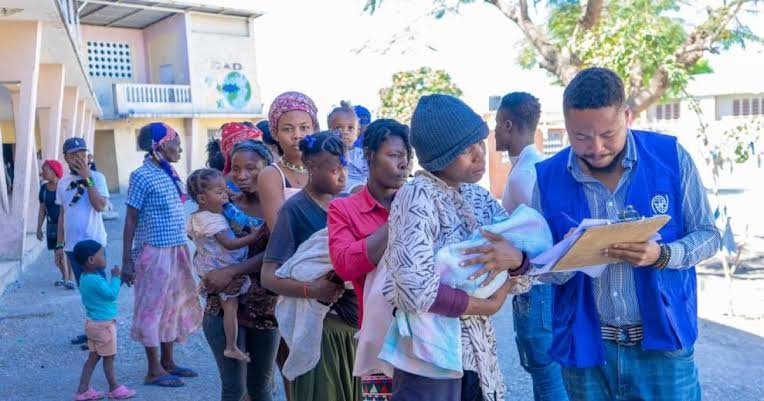
Haiti is grappling with a deepening humanitarian crisis as gang-related violence escalates to alarming levels across the country. As of January 2025, over 1 million people have been displaced due to the ongoing conflict, with many forced to flee their homes in search of safety. Armed groups have seized control of key neighborhoods in the capital, Port-au-Prince, and beyond, effectively paralyzing state authority and creating zones of lawlessness where civilians live in constant fear.
The situation took a dramatic turn in April, when mass protests erupted throughout the country. Demonstrators voiced outrage over the government’s failure to contain the violence and protect its citizens. Protesters demanded immediate action, calling for leadership changes and more robust measures to restore peace and order. Security forces have struggled to maintain control, and clashes between police and gangs have left dozens injured or dead.
In addition to the violence, Haiti is now on the brink of a catastrophic hunger crisis. The United Nations has issued a stark warning that more than half of the Haitian population could face severe food insecurity through June 2025. Supply chains have been disrupted, agricultural activity has been curtailed, and humanitarian aid has been difficult to deliver due to the volatile security environment.
The international community has responded with growing concern. Human rights organizations, neighboring countries, and global institutions have issued calls for urgent intervention to stabilize the situation and provide critical aid. There are increasing discussions about potential peacekeeping efforts or multilateral support missions to restore order and ensure the delivery of food, water, and medical supplies to affected communities.
As Haiti endures one of its most severe crises in recent history, the need for coordinated international support and a long-term strategy for stability and development has never been more urgent.
Fausta
Ok
Keydonn
Hmm
Suhuyini
Okay
Polina
Hmm
Walker
Oooh