


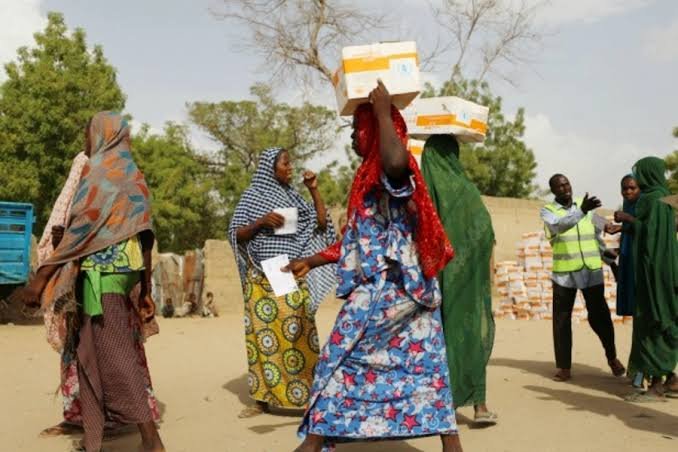
Thousands of Cameroonians have sought refuge in neighboring Nigeria to escape the ongoing conflict in the country’s English-speaking regions. The civil war, which erupted in 2017 following long-standing grievances over marginalization and calls for independence by the Anglophone population, has led to a devastating humanitarian crisis. To date, the conflict has claimed the lives of over 4,000 civilians and displaced at least 712,000 people, forcing many to flee their homes in search of safety and stability.
Among those affected are women, children, and vulnerable groups who have crossed the border into Nigeria, with the majority settling in Cross River State. These refugees continue to face immense challenges, including trauma, lack of livelihood opportunities, and difficulties in accessing basic services. In response, the United Nations High Commissioner for Refugees (UNHCR) has stepped in to provide crucial support. Refugees are offered monthly stipends, shelter, healthcare, and vocational training to help them regain a sense of independence and rebuild their lives.
One such individual is Solange Ndonga Tibesa, who endured abduction and violence at the hands of separatist fighters. Despite the trauma she experienced, Solange is now taking bold steps toward healing and empowerment. Through training in environmental technologies and active participation in volunteer initiatives, she is helping to build a more sustainable future for her community in exile. Her resilience is a testament to the strength and determination of many refugees who, despite their suffering, continue to contribute positively to their host communities.
The situation underscores the urgent need for a peaceful resolution to the conflict in Cameroon and greater international support for displaced populations. As the crisis persists, the stories of refugees like Solange highlight both the human cost of conflict and the transformative impact of humanitarian assistance.
Fausta
Effects of conflict
Adungchaab
Help
Keydonn
Sad
Amanda Ariella
Oh no
Suhuyini
Okay
Polina
So sad.